Living in the Pacific Northwest means dealing with unique plumbing challenges. Our heavy rainfall, moderate but occasionally freezing winters, and mineral-rich water supply all take a toll on residential plumbing systems. The good news is that most plumbing emergencies are preventable with regular maintenance.
At Bee’s Plumbing & Heating, we’ve served Seattle homeowners for years, and the most expensive repairs we see are almost always ones that could have been caught early. This annual plumbing maintenance checklist gives you a month-by-month plan to protect your home, save money on utility bills, and extend the life of your plumbing system.
Why Annual Plumbing Maintenance Matters in the Pacific Northwest
Pacific Northwest homes face plumbing challenges that homes in other regions simply don’t. Our region receives an average of 37 inches of rainfall annually, with most of that falling between October and March. This sustained wet season puts tremendous pressure on drainage systems, side sewers, and foundation waterproofing.
Our water supply, primarily sourced from the Cedar River Watershed and South Fork Tolt River, is relatively soft but can still cause mineral buildup in water heaters and fixtures over time. And while Seattle’s winters are mild compared to the Midwest, our occasional hard freezes catch many homeowners off guard, leading to burst pipes in unprotected areas.
Regular maintenance addresses these regional challenges before they become emergencies. Homeowners who follow a consistent maintenance schedule spend significantly less on plumbing repairs over the lifetime of their home compared to those who only call a plumber when something breaks.
Spring Maintenance (March – May)
Spring is the ideal time to assess any damage from winter weather and prepare your plumbing for the warmer months ahead.
Inspect Outdoor Plumbing
Start by walking the exterior of your home and checking every hose bib and outdoor faucet. Turn each one on and check for leaks at the handle, spout, and where the pipe enters the house. Even a small drip can indicate a cracked pipe behind the wall from winter freezing.
Inspect your garden hose connections for damage. A worn washer or cracked coupling can waste hundreds of gallons of water over the summer. Replace any hoses that show signs of cracking, bulging, or dry rot.
If you have an irrigation system, have it professionally inspected and activated for the season. Check all sprinkler heads, valve boxes, and backflow prevention devices. Seattle requires annual backflow testing for irrigation systems connected to the municipal water supply.
Check Your Water Heater
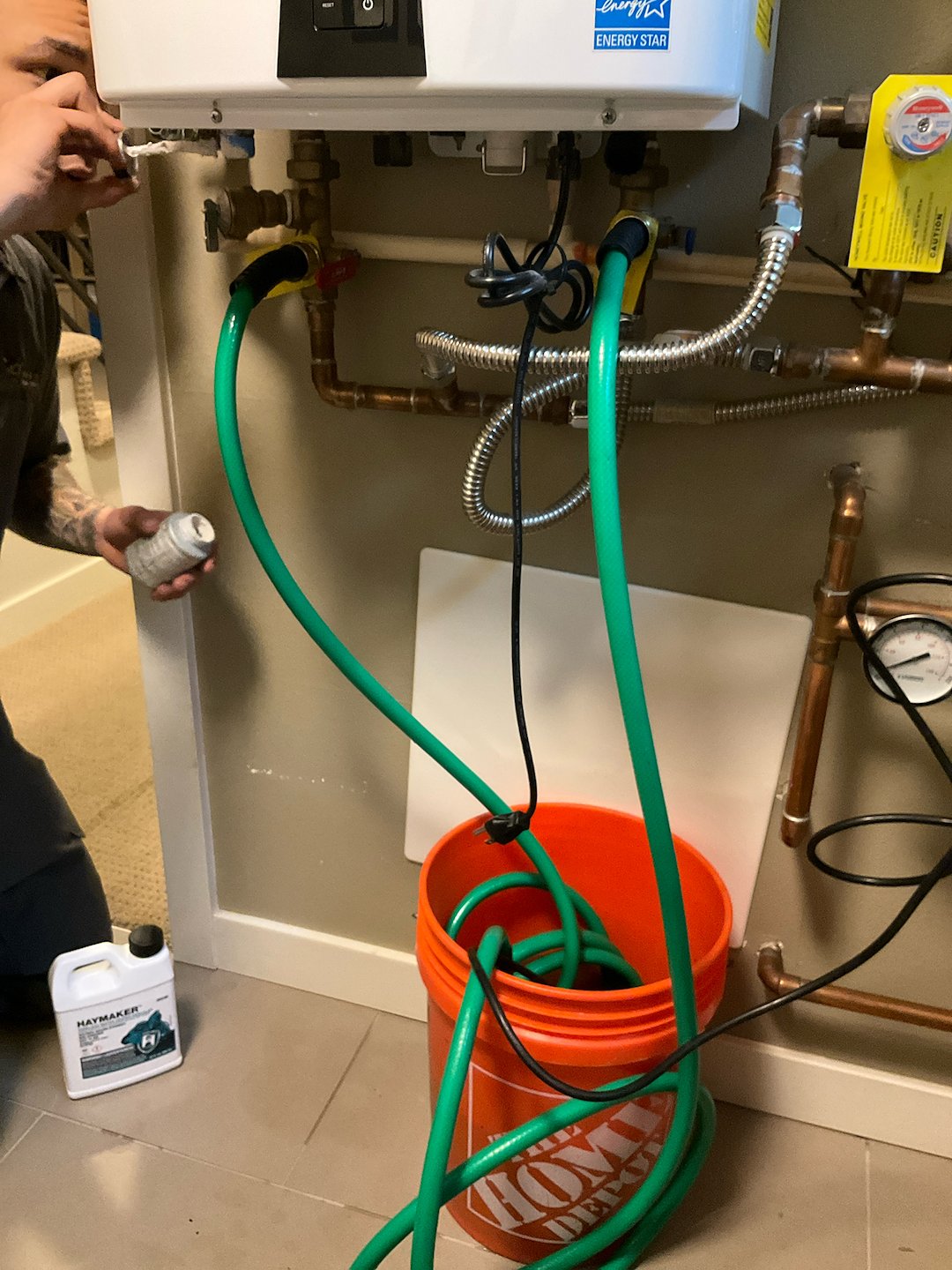
Spring is the perfect time for annual water heater maintenance. For tank water heaters, drain two to three gallons from the tank using the drain valve at the bottom. This flushes out sediment that accumulates over time and reduces heating efficiency. If the water comes out cloudy or full of particles, consider a full tank flush.
Test the temperature and pressure relief valve by lifting the lever briefly. Water should flow freely through the discharge pipe and stop when you release the lever. If the valve drips continuously, sticks, or doesn’t release water at all, it needs replacement. This is a critical safety device.
Check the anode rod if your water heater is more than three years old. This sacrificial rod protects the tank from corrosion, and once it’s depleted, the tank itself begins to rust. Replacing the anode rod every three to five years can significantly extend your water heater’s lifespan. If you’re not comfortable doing this yourself, our plumbers include it in our water heater maintenance service.
Test Your Sump Pump
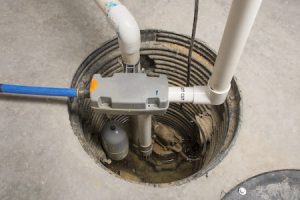
If your home has a sump pump, spring is when it works hardest. Pour a bucket of water into the sump pit to verify the pump activates, runs properly, and shuts off when the water level drops. Check the discharge line to make sure it’s clear and directing water away from your foundation.
Inspect the check valve on the discharge line to ensure water isn’t flowing back into the pit after the pump shuts off. A failed check valve forces the pump to cycle repeatedly, wearing it out prematurely.
Clear Your Gutters and Downspouts
While not technically plumbing, your gutter and downspout system is critical for managing water around your foundation. Clear any debris accumulated over winter and ensure downspouts are directing water at least four to six feet from your foundation. Verify that downspouts are not connected to the sanitary sewer, which violates Seattle code.
Summer Maintenance (June – August)
Summer is the best time for larger plumbing projects and preventive inspections, as the dry weather makes exterior work easier and plumber availability is typically better.
Inspect for Leaks Throughout Your Home
Conduct a thorough leak inspection of your entire home. Check under every sink, around every toilet base, behind the washing machine, and near the water heater. Look for water stains, warped cabinetry, musty odors, or any sign of moisture where it shouldn’t be.
Perform a water meter test to check for hidden leaks. Turn off all water-using fixtures and appliances in your home, then read your water meter. Wait two hours without using any water, then read the meter again. If it has moved, you likely have a hidden leak that needs professional leak detection.
Inspect Your Main Sewer Line
Summer is the ideal time for a preventive sewer camera inspection, especially if your home is more than 30 years old. Tree roots are most active during summer growing season, and a camera inspection can identify root intrusion, cracks, bellies, or other issues before they cause a backup.
In Seattle, many homes in older neighborhoods like Capitol Hill, Fremont, Wallingford, and Ballard still have original clay or cast iron sewer lines that are approaching or past their expected lifespan. A proactive inspection costs a fraction of what an emergency sewer repair costs.
Service Your Garbage Disposal
Clean your garbage disposal by running ice cubes and a handful of rock salt through it, followed by cold water. This clears buildup from the grinding chamber. Follow with lemon or orange peels for a fresh scent. Check the splash guard for buildup and clean it with a scrub brush.
Check Washing Machine Hoses
Inspect your washing machine supply hoses for bulging, cracking, or signs of wear. Rubber hoses should be replaced every three to five years, even if they appear fine. Consider upgrading to braided stainless steel hoses, which are far more resistant to bursting. A burst washing machine hose is one of the most common causes of catastrophic water damage in homes.
Fall Maintenance (September – November)
Fall maintenance is all about preparing your plumbing for the wet season and cold weather ahead. This is arguably the most important maintenance season for Pacific Northwest homeowners.
Winterize Outdoor Plumbing
Before the first freeze, disconnect all garden hoses from outdoor faucets. A connected hose traps water in the hose bib, which can freeze and crack the pipe behind the wall, leading to a leak that may not be discovered until spring.
If your home has separate shutoff valves for outdoor faucets, close them and open the outdoor faucet to drain any remaining water. For frost-free hose bibs, simply disconnecting the hose is usually sufficient, but verify the hose bib slopes downward to drain properly.
Insulate exposed pipes in unheated areas such as crawl spaces, garages, and attics. Use foam pipe insulation sleeves, which are inexpensive and easy to install. Pay special attention to pipes on exterior walls and in areas where cold air can infiltrate.
Have Your Water Heater Professionally Serviced
Schedule a professional water heater inspection before the heating season begins. During fall and winter, your water heater works significantly harder as incoming water temperatures drop from the mid-50s to the low 40s. A professional service includes a full sediment flush, anode rod inspection, thermostat calibration, and safety check of all connections and venting.
Clean Floor Drains
Locate all floor drains in your home, typically in the basement, laundry room, and garage. Pour a gallon of water into each one to refill the trap and prevent sewer gas from entering your home. Add a small amount of mineral oil to slow evaporation if the drain is rarely used.
Test Your Water Pressure
Purchase an inexpensive water pressure gauge from a hardware store and test your water pressure at an outdoor hose bib. Seattle’s municipal water pressure can vary by neighborhood and elevation. Ideal residential water pressure is between 40 and 80 PSI. Pressure above 80 PSI can damage fixtures, appliances, and pipes over time and may require a pressure reducing valve.
Winter Maintenance (December – February)
Winter maintenance focuses on monitoring your system during the coldest months and taking quick action to prevent freeze damage.
Prevent Frozen Pipes
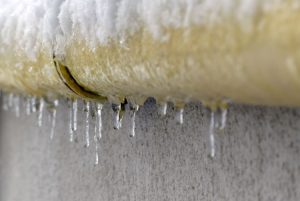
During hard freezes, which typically hit Seattle a few times each winter, take proactive steps to prevent frozen pipes. Open cabinet doors under sinks on exterior walls to let warm air reach the pipes. Allow a thin stream of water to trickle from the faucet farthest from your main water supply to keep water moving through the system.
Keep your thermostat set to at least 55 degrees, even when you’re away from home. If you’re leaving for vacation during winter, consider having a neighbor check on your home periodically or investing in a smart water leak detector that can alert you to problems.
Know the location of your main water shutoff valve and make sure it operates smoothly. In a pipe-burst emergency, shutting off the water quickly can mean the difference between a minor inconvenience and tens of thousands of dollars in water damage.
Monitor Your Water Heater
Cold incoming water temperatures mean your water heater is working overtime during winter. Listen for unusual sounds like popping, rumbling, or banging, which can indicate excessive sediment buildup. Check the area around the water heater for any signs of leaking or moisture.
If your hot water seems less hot than usual or takes significantly longer to reach fixtures, it may be a sign that your water heater is struggling. This is especially common with older units that haven’t been regularly maintained.
Watch for Slow Drains
Winter weather often coincides with increased drain problems. More time spent indoors means more cooking grease, food waste, and hair going down drains. Address slow drains immediately rather than waiting for a complete blockage. A slow drain is much easier and less expensive to clear than a fully clogged one.
Never pour cooking grease or oil down the drain, even with hot water. It solidifies in your pipes and in Seattle’s sewer system, contributing to the grease blockages that Seattle Public Utilities spends millions of dollars addressing each year.
Year-Round Maintenance Tips
Some maintenance tasks don’t fit neatly into a seasonal schedule but should be part of your ongoing home care routine.
Know what should never go down your drains. Beyond grease, avoid flushing wipes of any kind, even those labeled flushable, as they don’t break down like toilet paper and are a leading cause of sewer blockages. Cotton balls, feminine hygiene products, dental floss, and cat litter should all go in the trash.
Address minor plumbing issues promptly. A dripping faucet, a running toilet, or a slow drain may seem like minor annoyances, but they waste water, can cause progressive damage, and often indicate a problem that will worsen over time.
Consider scheduling an annual whole-home plumbing inspection with a licensed plumber. A professional can identify issues you might miss, check for code compliance, and give you a realistic assessment of when major components like your water heater or sewer line may need replacement.
When to Call a Professional
While many maintenance tasks are DIY-friendly, some should always be handled by a licensed plumber. Any work involving gas lines, water heater repair or replacement, sewer line issues, or work that requires a permit should be left to the professionals.
At Bee’s Plumbing & Heating, we offer comprehensive plumbing maintenance services for Seattle homeowners. Whether you need a water heater flush, a sewer camera inspection, or a complete home plumbing evaluation, our licensed plumbers are here to help. Contact us today to schedule your annual plumbing checkup and keep your home’s plumbing running smoothly all year long.
Need Professional Plumbing or Heating Help?
Our expert technicians are ready to assist you with any plumbing, heating, or drain needs.