Why Sump Pump Installation in Seattle, WA Matters
When rainfall arrives in Seattle, a functioning sump pump safeguards basements and crawl spaces from flooding and hydrostatic pressure. Neighborhoods including West Seattle, Ballard, Queen Anne, Beacon Hill, and Rainier Valley typically rest on mixed soil compositions with aged drainage infrastructure, making professional pump systems essential.
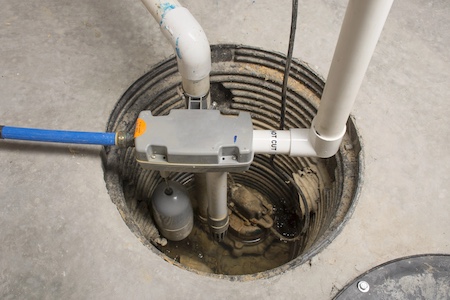
Seattle’s prolonged rainy season and elevated groundwater near the Ship Canal and Duwamish River create multiple pathways for water infiltration. Submersible sump pumps in sealed basins redirect water before basement flooding or crawl space odor develop. Selection involves pump capacity for intense rainfall bursts, discharge routing away from the foundation, and outage safeguards during windstorms.
Clear Signs of Sump Pump Failure
Warning indicators include:
- Frequent cycling or continuous operation during light precipitation
- Grinding, rattling sounds, or overheated motor casings
- Musty odors near basins or damp basement walls
- Visible corrosion, loose connections, or check valve issues
- High water alerts from alarms or smart sensors
Constant operation signals undersized units, failing check valves, or discharge blockages requiring professional diagnosis.
Sump Pump Replacement: When a New Unit Is the Safer Choice
Well-installed pumps eventually require replacement. Consider upgrading when repairs become frequent, after basement remodeling, or when adding battery backup protection. Transitioning from pedestal to submersible models reduces operational noise and improves performance in confined spaces.
Choosing the Right System for Your Home
Power, Backups, and Alarms
Seattle’s storm patterns justify battery backup installation in outage-vulnerable areas. High-water alarms and smart sensors enable remote monitoring and early warnings.
Discharge Route and Check Valve
Proper water routing away from foundations prevents backflow and short cycling. Sloped terrain in Queen Anne and West Seattle neighborhoods requires careful outlet placement to prevent water return.
Crawl Spaces, Basements, and Tight Access
Many Seattle homes feature crawl spaces instead of basements. Sealed lids, appropriately sized basins, and proper ventilation control moisture and odors while protecting structural integrity.
Seattle Rain Patterns and Neighborhood Factors
Older neighborhoods like Ballard, Wallingford, and Capitol Hill often have decade-spanning drainage installations creating inconsistent performance. Flatter South Seattle properties experience groundwater rise following extended rainfall. Clay-rich West Seattle soils slow water percolation around foundations. Steeper Queen Anne slopes can overwhelm discharge routes without adequate outlet distance.
What Goes Into a Reliable Installation
Professional installation begins with appropriately sized submersible pumps in sealed basins at the lowest foundation point. Discharge piping requires durability, proper slope, and adequate support. Check valves must minimize hammer effects and short cycling. Dedicated, protected electrical circuits ensure reliable startup.
Failure Scenarios We See Most Often
Common Seattle patterns include:
- Pump operation without basin water level reduction (blockage or impeller failure)
- Water returning to pit through discharge due to weak check valves
- Motor shutdown from overheating during extended storm windows
- Alarm activation in finished basements from minor leaks creating major damage
Replacement often proves more economical than repeated repairs on aged or undersized systems.
Maintenance Without the Guesswork
Professional seasonal inspections verify operation, confirm discharge routing, and assess component wear. Preventative adjustments before storm seasons prevent critical failures. Technicians can review backup options and alarm placement specific to individual property layouts.
Real-World Scenarios Around Seattle
West Seattle Bungalow: Original pedestal pump struggled with frequent storms. Upgrading to quiet submersible with sealed lid and extended downslope discharge reduced runtime and noise while protecting new flooring.
Green Lake Craftsman: Proper basin installation, right-sized submersible, and battery backup maintained dry insulation and eliminated odors. High-water alarm provided advance warning during January windstorm outage.
Your Next Best Step
Systems exhibiting noise, frequent operation, or past failures warrant professional assessment. Contact Bees Plumbing and Heating for evaluation and scheduling options.
Call 206-745-7570 or request service online to discuss sump pump installation and replacement solutions.
Need Professional Plumbing or Heating Help?
Our expert technicians are ready to assist you with any plumbing, heating, or drain needs.